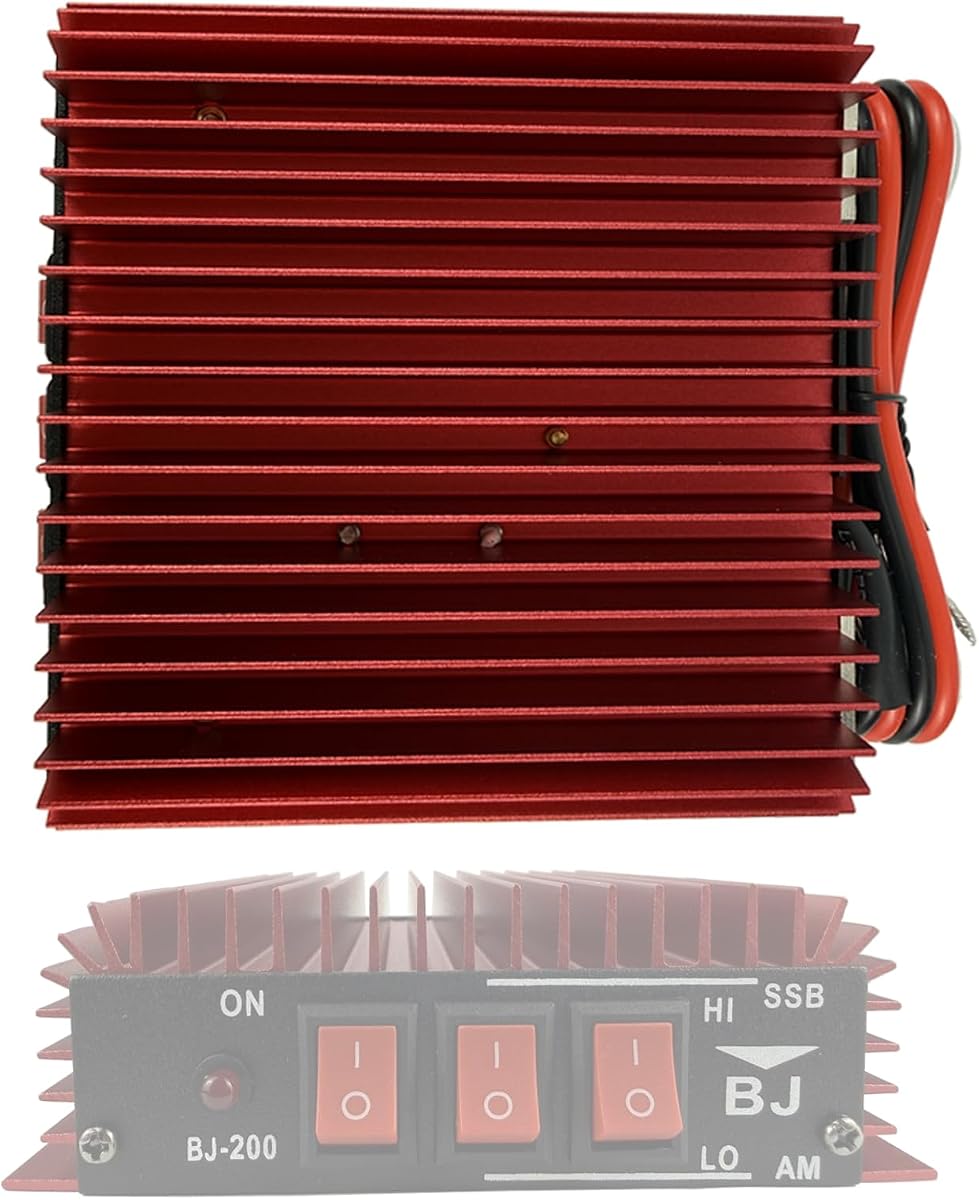
BJ-200 Linear Power AMP
5.0Editor score
50W FM 150W SSB
Compact Heat Sink Design
Polarity Reversal Protection
Discover the top linear amplifiers for ham radio in 2026. This guide compares power output, compatibility, and protection features to help you choose the right
Linear amplifiers are essential tools for amateur radio operators seeking to extend their communication range and improve signal clarity. These devices boost the output power of your transceiver, ensuring your voice reaches distant stations with precision and reliability.
We evaluated ten distinct models based on performance, build quality, and compatibility with popular transceivers. Our analysis covers everything from compact QRP units to robust HF amplifiers designed for extended operating sessions and diverse modulation modes.
Each pick highlights specific strengths and ideal use cases to guide your decision. Please note that product availability and pricing may fluctuate over time, so verify current details before finalizing your purchase decision today.
5.0Editor score

4.2Editor score

3.9Editor score
This comparison table outlines the key specifications of each amplifier to help you identify the right fit for your specific radio setup and operational needs without overwhelming technical jargon.


The Xiegu GPA100 stands out as a premier choice for operators looking to expand their QRP setup with high performance. With a rating of 4.2 stars, it delivers reliable amplification across multiple bands including HF and 6 meters.
We may earn a commission when you buy through this link, at no additional cost to you.
Its smart cooling system and intelligent protection circuits ensure stable operation even during extended sessions. The built-in Bluetooth allows for seamless band switching when connected to compatible transceivers like the IC-705, enhancing convenience.
While the cost is higher than basic models, the feature set justifies the investment for serious operators. You should ensure your radio supports ALC for maximum safety and efficiency when using this unit.
This amplifier is ideal for those who value clean signal purity and want to automate their band transitions. It represents a solid upgrade path for low-power transceivers needing more reach without sacrificing quality.
Bluetooth integration eliminates the need for extra cables when switching bands automatically with supported radios.
Internal circuits detect overcurrent and SWR issues to prevent damage to both the amp and your radio.
We may earn a commission when you buy through this link, at no additional cost to you.
The BJ-300 Plus offers a high power output suitable for extending communication range significantly. It supports multiple modulation modes including AM FM SSB and CW for versatile use across HF bands.
We may earn a commission when you buy through this link, at no additional cost to you.
Thermal management is handled by a dedicated cooling fan and aluminum heat sink to maintain stability during operation. The design includes standard connectors and simple switches for straightforward installation in your station.
While it delivers strong wattage, the build quality reflects a budget-friendly approach. Users should monitor temperatures closely during long transmissions to ensure the fan performs effectively.
This unit is a practical choice for those needing extra power without spending on premium features. It works well with inputs requiring 3 to 10 watts depending on the modulation mode selected.
Compatible with a wide range of input power levels from low power radios to more robust transceivers.
Electronic polarity reversal protection prevents damage if power cables are connected incorrectly during setup.
We may earn a commission when you buy through this link, at no additional cost to you.
This variant of the BJ-300 Plus provides similar high power capabilities to its sibling model for budget conscious operators. It supports AM FM SSB and CW modes effectively for reliable long-distance communication needs.
We may earn a commission when you buy through this link, at no additional cost to you.
The thermal management system uses a cooling fan to prevent overheating during extended use periods. Its compact form factor makes it suitable for installation in vehicle setups or small base stations easily.
Users should note that while the power output is high the overall reliability may vary based on specific usage conditions. Checking connections regularly ensures optimal performance and longevity of the internal components.
Ideal for those starting out with amplification this model offers a straightforward way to boost signal strength. It is a practical upgrade for two-way radio enthusiasts needing more range.
Handles various modulation types including voice and digital modes for comprehensive amateur radio usage.
Standard PL-259 connectors simplify connection to your radio and antenna systems without complex adapters.
We may earn a commission when you buy through this link, at no additional cost to you.
The BJ-300 delivers up to 150 watts SSB making it a strong contender for boosting HF transmission power. It is designed to work with transceivers requiring 3 to 5 watts input for optimal performance levels.
We may earn a commission when you buy through this link, at no additional cost to you.
Built-in electronic switches provide protection against incorrect power connections ensuring stable operation. The HI/LO power selection switch allows you to adjust output strength based on your current operating needs.
While specific user ratings are unavailable the design focuses on practical functionality and reliability. Users should verify input requirements carefully to match with their specific transceiver model before connecting.
This amplifier is suitable for those needing a straightforward power boost without complex controls. It integrates well with standard setups where simplicity and protection are top priorities for operators.
HI and LO switches give you control over output power to match your transmission requirements.
Aluminum alloy construction helps dissipate heat efficiently in a small footprint for easy placement.
We may earn a commission when you buy through this link, at no additional cost to you.
With a perfect 5.0 star rating the BJ-200 stands out as the best budget option on this list. It supports multiple modulation modes delivering up to 150 watts SSB for reliable communication across HF bands.
We may earn a commission when you buy through this link, at no additional cost to you.
The red aluminum alloy heat sink ensures efficient thermal management to maintain stable performance during continuous use. Its compact form factor makes it ideal for vehicle installations or small base stations without taking up much space.
Users appreciate the straightforward controls including clear ON/OFF switches and power adjustment options. The built-in polarity reversal protection adds a layer of safety against incorrect power connections during setup.
This unit is an excellent choice for enthusiasts who want significant power boost without spending too much. It balances cost and functionality effectively for two-way radio users needing extra range.
The heat sink design handles thermal loads effectively to prevent overheating during extended transmissions.
Polarity reversal protection safeguards internal components from damage due to wiring mistakes.
We may earn a commission when you buy through this link, at no additional cost to you.
The Xiegu XPA125B combines power amplification with an automatic antenna tuner for a streamlined setup. It offers up to 125 watts maximum output making it perfect for QRP radios needing higher power levels.
We may earn a commission when you buy through this link, at no additional cost to you.
A large 2.7 inch backlit LCD displays critical info such as power voltage and temperature for easy monitoring. Intelligent protection circuits detect issues like high SWR and trigger bypass mode to keep your equipment safe.
While it comes at a premium price the integration of tuning and amplification simplifies station management. Users should note the tuner handles specific impedance loads so ensure your antenna matches these requirements.
This amplifier is ideal for those seeking convenience and reliability in a single unit. It enhances operational efficiency by reducing the need for manual adjustments during operation sessions.
The built-in tuner can be used independently allowing flexibility for different station configurations.
Abnormal conditions like high temperature or excessive drive power trigger alarms to prevent hardware damage.
We may earn a commission when you buy through this link, at no additional cost to you.
This 30W board is designed for operators who want to build or upgrade their own amplifier setups. It covers the full shortwave spectrum and supports CW and SSB modes for clear signal transmission.
We may earn a commission when you buy through this link, at no additional cost to you.
Engineered with high efficiency transistors the board delivers consistent gain without manual tuning across bands. Robust thermal management features a heat sink to ensure stability during extended transmit cycles.
Since it is a finished board you will need to integrate it into your station system properly. It includes marked input output ports for straightforward connection with a variety of QRP transceivers.
This option is perfect for DIY enthusiasts and contest operators needing precise performance in a compact form. It boosts signal strength effectively for home field day or portable operation setups.
Advanced circuitry ensures stable gain across the entire HF range without needing frequent adjustments.
Clearly marked connections simplify the integration process for those comfortable with basic electronics.
We may earn a commission when you buy through this link, at no additional cost to you.
This amplifier is tailored for CB radio users needing a straightforward power boost for their setup. It operates on 12 to 14V DC which aligns with standard automotive or stationary power supplies.
We may earn a commission when you buy through this link, at no additional cost to you.
Installation is quick using standard SO-239 connectors for RF input and output. The simple three-wire connection minimizes complexity making it suitable for users who prefer basic setups.
It focuses on delivering reliable performance for CB band communications without extra frills. Operators should ensure their power supply matches the voltage requirements for stable operation.
This unit is a practical choice for CB enthusiasts who want to enhance range without technical complexity. It integrates well with most CB radios and antenna systems for immediate use.
The use of common connectors ensures compatibility with a wide range of existing antenna systems.
Supports 12 to 14V input to accommodate standard vehicle batteries and wall adapters easily.
We may earn a commission when you buy through this link, at no additional cost to you.
Unlike transmit amplifiers this unit is designed to boost weak signals on the receive side of your station. It covers a massive range from 0.1 to 2000MHz making it versatile for various radio applications.
We may earn a commission when you buy through this link, at no additional cost to you.
With a typical gain of 32dB and low noise figure it significantly improves signal reception quality. The device consumes very little current at 27mA making it suitable for battery powered field use.
It is perfect for SDR users or ham radio operators struggling with weak signals on specific bands. However note that this is a receive only device and will not boost your transmit power.
This amplifier is a valuable addition for anyone looking to improve listening quality without complex modifications. It works well as a preamp for antennas or test equipment setups.
Covers shortwave FM VHF and UHF bands making it useful for multiple types of radio listening.
Low current draw allows for portable use with standard lithium batteries or wall adapters easily.
We may earn a commission when you buy through this link, at no additional cost to you.
This amplifier is specifically designed to work with Xiegu transceivers providing seamless integration for compatible stations. It delivers a robust 100W output in the HF range for strong communication capabilities.
We may earn a commission when you buy through this link, at no additional cost to you.
Automatic tuning functionality simplifies the setup process allowing users to focus on communication rather than adjustments. The device is built from high-quality materials ensuring long-term reliability and performance stability.
While it excels with Xiegu hosts ensure your radio model is supported before purchasing. Consistent output power is maintained automatically to enhance operational efficiency during operation sessions.
Ideal for Xiegu users this unit adds power and convenience to your existing setup effectively. It represents a premium addition for those seeking optimized performance within the Xiegu ecosystem.
Designed specifically for Xiegu radios to ensure full feature support and reliable operation.
Premium materials used in construction guarantee long-term reliability even under frequent use.
We may earn a commission when you buy through this link, at no additional cost to you.
Selecting the right amplifier involves considering power output, compatibility, and safety features to ensure your setup operates efficiently and reliably.
Determine how much output power you need based on your operating goals. Most legal limits cap HF output at 1500 watts but many operators find 100 to 150 watts sufficient for clear communication.
Choose an amplifier that can consistently deliver the rated output across the bands you use most often without distortion.
Ensure the amplifier matches your radio's input power requirements and control protocols. Some units require specific signals like ALC to operate safely with your transceiver.
Check if the amplifier supports automatic band switching for your specific model to avoid manual intervention during operation.
Confirm that the amplifier supports all the modes you use such as SSB CW AM FM and digital modes. Not all amplifiers handle digital modes well without causing interference.
Look for units that maintain signal purity across all modes to prevent distortion or unwanted harmonics.
Extended transmissions generate heat which can damage components if not properly managed. Look for designs with large heat sinks or active cooling fans.
Ensure the cooling system is quiet enough for your operating environment while still providing adequate airflow to prevent overheating.
Safety features like SWR detection overvoltage protection and thermal cutoffs are crucial for protecting both the amp and your radio. These circuits help prevent damage during mismatched antenna conditions.
Choose units that automatically reduce power or shut down when issues are detected to avoid costly repairs.
High-quality materials like aluminum heat sinks and durable connectors contribute to longevity and reliability. Check reviews regarding construction quality before purchasing.
A sturdy chassis also helps in shielding internal components from external interference which is vital for clear signal transmission.
Consider how the amplifier will be operated in your station. Features like remote control or automatic band tracking simplify the workflow during long sessions.
Simple and intuitive controls make it easier to adjust settings quickly without confusing menus or buttons during critical moments.
While budget constraints are real investing in a reliable unit pays off in the long run. Compare features against the cost to find the best value for your needs.
Remember that a cheaper unit might lack protection features or fail sooner than a slightly more expensive but higher quality model.
Start by connecting the amplifier between your transceiver and the antenna system using high-quality coaxial cables. Ensure all connections are tight and secure to prevent signal loss or arcing during transmission.
Power up the amplifier before your radio to ensure it is ready to amplify the signal properly. Check the indicator lights to confirm it is in the correct mode and monitoring status effectively.
Regularly clean dust from heat sinks and fans to maintain proper airflow and prevent overheating. Monitor SWR and temperature readings periodically to ensure stable operation over time.
Yes most amplifiers require specific input power levels to operate efficiently. Typically you need around 3 to 5 watts for FM AM and 2 to 10 watts for SSB. Check your manual to confirm exact requirements.
Not all amplifiers work with every transceiver. Some require specific control signals like ALC or automatic band switching. Ensure your radio supports these features or use manual control settings available on the unit.
Linear amplifiers preserve the waveform of the input signal which is essential for SSB and digital modes. Non-linear amplifiers are generally used for FM or CW where signal purity matters less for transmission clarity.
Most require a stable 13.8V DC power supply capable of delivering sufficient current. Ensure your supply matches the amp's current draw rating to prevent voltage drops during transmission.
Many modern amplifiers include internal protection circuits that reduce power or shut down when SWR is too high. Using an antenna tuner can also help maintain acceptable SWR levels across bands.
Yes these units are designed for amateur radio operation within legal power limits. Always ensure your output power does not exceed FCC limits and that your license covers the frequency bands used.
Most linear amplifiers work well with digital modes but ensure it is specifically designed to maintain signal purity for data transmissions. Check user reviews for specific mode compatibility before buying.
Regular maintenance includes cleaning dust from vents and checking for loose connections annually. Listen for unusual fan noises or monitor temperature increases that might indicate a need for internal inspection.
We reviewed ten top amplifiers ranging from budget options to premium integrated units. Each model offers unique strengths tailored to different operating styles and budget constraints effectively.
Prioritize compatibility with your current transceiver and the power levels you need for clear communication. A unit that fits your station's workflow will provide the most value and satisfaction long term.
Please verify current availability and pricing before purchasing as these details can change frequently over time. Choose a model that ensures your setup is ready for reliable operation in the field.