
HP ZBook 8 G1i AI Mobile Workstation Laptop
4.1Editor score
Intel Core Ultra 7 255H Processor
NVIDIA RTX 500 Ada GPU
64GB DDR5 RAM
Interior designers need reliable machines to handle complex CAD files and high-resolution renders. Choosing the right laptop ensures your creative workflow remains smooth and efficient without frustrating bottlenecks or crashes during critical project deadlines.
We evaluated ten top contenders based on processor speed, graphics capabilities, and screen accuracy. Each model was selected for its ability to support professional software like AutoCAD and Revit while maintaining portability for client meetings and on-site visits.
Each pick highlights specific strengths such as color accuracy or battery life. Prices and availability fluctuate frequently so check current listings before purchasing. We aim to provide clear comparisons to help you invest wisely in your professional toolkit today.
4.1Editor score

4.4Editor score
4.7Editor score
As an Amazon Associate we earn from qualifying purchases.
Below is a detailed side-by-side comparison of all ten laptops to help you weigh performance against portability and cost. We highlight key specifications that matter most for interior design tasks.


The Dell Precision 7680 stands out as a top choice for interior designers needing robust performance. With its Intel Core i9 processor and 32GB of RAM, it handles demanding 3D rendering and large file management effortlessly.
We may earn a commission when you buy through this link, at no additional cost to you.
Its workstation-class design ensures stability during long rendering sessions. The inclusion of ISV certifications means applications like Revit and AutoCAD run reliably without unexpected crashes or slowdowns during critical project phases.
While it commands a higher price, the investment pays off in productivity gains. The only trade-off is battery longevity under heavy load, so keeping it plugged in during intensive work is recommended for best results.
This laptop is ideal for professionals who prioritize performance and reliability over portability. It is the definitive tool for serious designers managing complex projects and extensive visual data daily.
Designed for demanding workflows, the 7680 offers enterprise-grade security and durability that supports professional environments effectively.
Multiple Thunderbolt and HDMI ports allow you to connect multiple 4K monitors for detailed design work without needing a dock.
We may earn a commission when you buy through this link, at no additional cost to you.
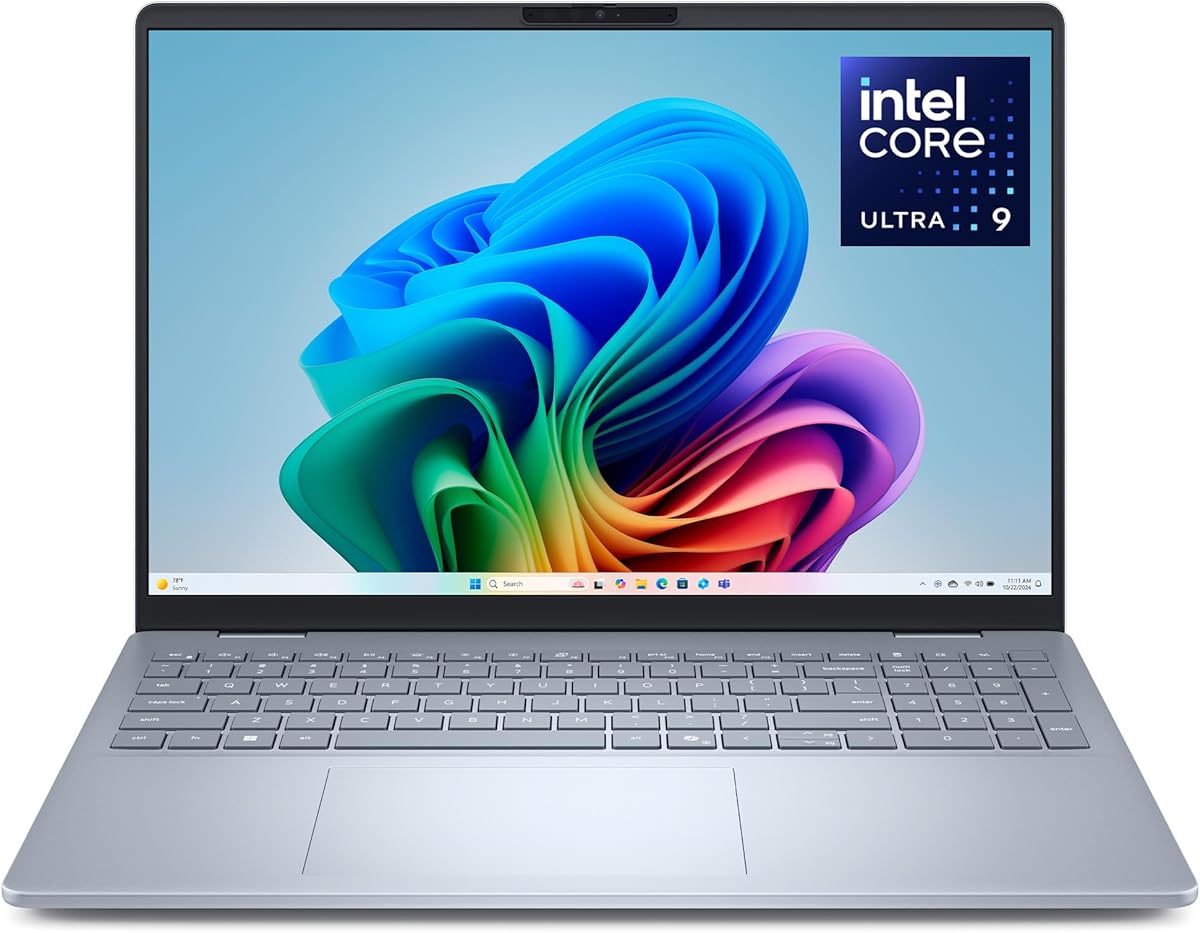
The Dell 16 Plus offers a strong balance of performance and modern AI capabilities. Its QHD+ screen provides sharp visuals for detailed design work while the AI optimized processor ensures smooth daily operations.
We may earn a commission when you buy through this link, at no additional cost to you.
Designers will appreciate the expansive screen real estate which helps when managing multiple windows. The device is built with high-quality materials ensuring durability for everyday use in various environments.
While not a dedicated workstation, it handles typical design apps well. The main limitation is for heavy 3D rendering tasks where a dedicated GPU might be necessary for optimal speed.
Choose this model if you value efficiency and screen quality over raw graphics power. It serves well for designers focused on 2D work and documentation rather than complex modeling.
Built from the ground up with advanced client compute engines to deliver power efficiency and cooler performance.
The 16:10 screen ratio allows for more vertical space to view plans and layouts side by side easily.
We may earn a commission when you buy through this link, at no additional cost to you.
The HP OmniBook 7 brings vibrant OLED technology to the design workspace. Its 2K resolution and HDR capabilities allow designers to see true colors which is essential for material selection and client presentations.
We may earn a commission when you buy through this link, at no additional cost to you.
With 32GB of DDR5 RAM, this machine handles multiple design applications simultaneously. The touchscreen adds an intuitive layer to navigation making it easier to interact with complex software interfaces directly.
Care must be taken with OLED screens to avoid static image burn-in over time. This is a minor trade-off given the exceptional color fidelity and contrast ratios offered by the display panel.
This laptop is perfect for designers who prioritize color accuracy and visual fidelity. The combination of speed and screen quality makes it a compelling option for creative professionals.
The OLED panel delivers deep blacks and vibrant colors essential for accurate interior design representation.
Multitouch capabilities allow for intuitive zooming and panning within large architectural plans and floor plans.
We may earn a commission when you buy through this link, at no additional cost to you.
The HP ZBook 8 G1i is a powerhouse for professionals who need top-tier performance. With 64GB of RAM and a dedicated NVIDIA RTX GPU, it handles complex 3D simulations and rendering tasks with ease.
We may earn a commission when you buy through this link, at no additional cost to you.
ISV certifications guarantee that professional design software runs smoothly. The massive 2TB storage ensures you have space for extensive project archives and asset libraries without constant external drive reliance.
Portability is slightly compromised due to its workstation build. However for the performance gains justify the weight for those who work primarily at a desk or with a mobile workstation setup.
Invest in this if you need a desktop replacement with mobility. It is the ultimate tool for designers managing heavy engineering and visualization workflows simultaneously.
64GB of RAM allows for running multiple virtual machines and heavy applications simultaneously without slowdowns.
The NVIDIA RTX 500 Ada GPU provides dedicated power for rendering tasks reducing wait times significantly.
We may earn a commission when you buy through this link, at no additional cost to you.
This configuration of the Dell Precision 7680 offers a strong entry point into professional workstations. The inclusion of a dedicated RTX 1000 Ada GPU sets it apart from standard consumer laptops for design work.
We may earn a commission when you buy through this link, at no additional cost to you.
It provides a balance of performance and affordability for designers starting their careers. The ability to connect four external monitors makes it a versatile hub for expanded workflow setups without additional costs.
While the i5 processor is capable it may struggle with extremely heavy loads compared to i9 models. For standard CAD and rendering tasks however it performs reliably without significant bottlenecks.
Choose this model for a blend of workstation features and value. It is an excellent choice for those needing dedicated graphics without the highest-end processor cost.
Support for four external displays allows for expansive workspace arrangements essential for large architectural drawings.
Part of the Precision lineup it inherits the durability and reliability of high-end professional computing standards.
We may earn a commission when you buy through this link, at no additional cost to you.
This Dell Precision model bridges the gap between standard laptops and high-end workstations. The RTX 2000 Ada GPU ensures smooth performance for rendering tasks that require dedicated graphics processing power.
We may earn a commission when you buy through this link, at no additional cost to you.
Storage is generous with 2TB allowing you to keep all project files locally. The i7 processor handles multi-threaded tasks well making it suitable for both creative and computational workflows.
The main limitation is the display color gamut which is standard but not wide. For color critical work you may need an external calibrated monitor to ensure accuracy in final outputs.
This model is suitable for designers needing storage and graphics power. It offers a solid performance base for general design tasks with room for future file growth.
With 2TB of SSD storage you can store high-resolution textures and large CAD files without external drives.
The NVIDIA RTX 2000 Ada GPU accelerates rendering and simulation tasks significantly compared to integrated graphics.
We may earn a commission when you buy through this link, at no additional cost to you.
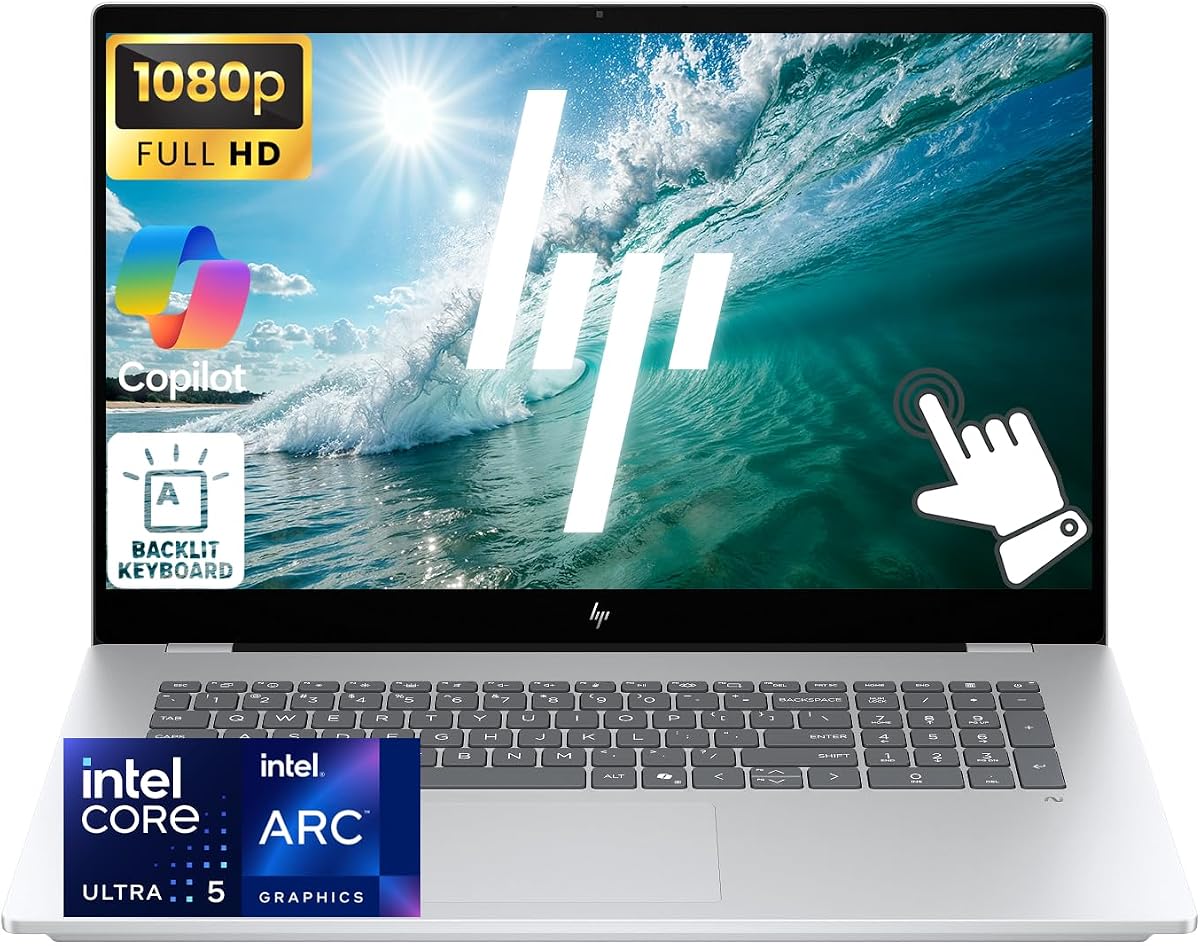
The HP OmniBook 7 offers impressive value with a large 17.3-inch display. This screen real estate is rare at this price point and provides a comfortable workspace for planning and drafting.
We may earn a commission when you buy through this link, at no additional cost to you.
Its modern Intel Core Ultra processor ensures it stays current with software updates. The touchscreen adds an element of flexibility when reviewing designs or making quick annotations on the go.
The 16GB RAM is sufficient for moderate use but may limit simultaneous heavy application runs. For those focused on 2D design and documentation this is a practical and budget-friendly choice.
Choose this laptop if you need a large screen on a budget. It is ideal for students or professionals starting out who need reliable hardware without a huge investment.
A 17.3-inch display allows you to see more of your floor plan without scrolling constantly.
The Core Ultra 5 provides better power efficiency and integrated performance than older processors.
We may earn a commission when you buy through this link, at no additional cost to you.
This high-configuration Precision model is designed for users with massive project files. The 64GB of RAM allows you to keep dozens of tabs and heavy design applications open simultaneously without slowdowns.
We may earn a commission when you buy through this link, at no additional cost to you.
It is rated highly for its ability to handle sustained workloads reliably. The RTX 2000 Ada GPU ensures that 3D rendering tasks are completed efficiently allowing you to stay productive throughout the day.
The only minor drawback is the display resolution which is standard FHD. However for the performance capabilities are unmatched in this category for professionals who need speed over pixel density.
Invest in this for maximum future-proofing and performance. It is the ultimate tool for architects and designers dealing with complex and multi-layered building information models.
64GB RAM allows for running virtual machines and heavy 3D tools without performance hits.
Rated perfectly by users for consistent performance during intensive professional workflows and design tasks.
We may earn a commission when you buy through this link, at no additional cost to you.
Interior designers often need to carry heavy laptops and tools to client sites. This rolling bag offers a stylish solution that protects your equipment while saving your back from physical strain.
We may earn a commission when you buy through this link, at no additional cost to you.
Its chic design ensures you look professional in any boardroom or site visit. The compartments are well organized allowing quick access to chargers and documents without emptying the main bag.
While it rolls smoothly on office floors it may struggle on rough pavement. Still the convenience of wheels over a backpack makes it a valuable companion for frequent travelers.
Choose this accessory to protect your expensive laptop safely. It is the perfect partner for designers who move between office and on-site work frequently.
Rolling wheels eliminate shoulder strain and make commuting with heavy gear much easier.
The faux leather finish and gold-tone hardware maintain a polished look suitable for business settings.
We may earn a commission when you buy through this link, at no additional cost to you.
The HP 14-inch Laptop is a budget-conscious choice for those with simpler needs. It includes a full Office Suite which is helpful for documentation and basic design tasks.
We may earn a commission when you buy through this link, at no additional cost to you.
Its 16GB RAM is a strong feature at this price point allowing for decent multitasking. The lightweight build makes it easy to carry if you are primarily working on notes or minor edits.
Performance is limited for heavy CAD rendering but fine for learning tools. The included accessories like a mouse and docking station add value to the initial purchase price.
Select this for basic tasks or learning phases. It is a practical starting point for students or professionals who need a secondary device for lighter work.
Includes a docking station and external drive offering immediate connectivity and storage expansion.
Its thin and light design makes it easy to slip into a bag for travel without extra weight.
We may earn a commission when you buy through this link, at no additional cost to you.
Selecting the right laptop for interior design requires balancing performance with portability and budget. We break down the essential factors to consider before making your purchase.
For interior design the processor is the engine of your laptop. Look for modern Intel Core i7 or i9 processors or AMD Ryzen 7 or 9 series to handle large CAD files and rendering tasks smoothly.
Prioritize higher clock speeds and core counts to ensure your software runs without lag during intensive design phases.
Dedicated graphics cards are crucial for 3D modeling and rendering. Models with NVIDIA RTX series GPUs will accelerate visualization tasks significantly compared to integrated graphics.
Ensure the GPU has at least 6GB of VRAM to handle high-resolution textures and complex scenes effectively.
RAM determines how many applications you can run at once. 32GB is recommended for professional workflows involving heavy multitasking between design software and browsers.
If you work with massive architectural models aim for 64GB to avoid slowdowns and keep your workspace fluid.
A high-resolution screen with accurate colors is vital for interior designers. Look for displays with 100% sRGB or DCI-P3 color coverage to ensure your design choices look correct.
Consider screens with at least 1440p resolution to see detailed textures and lines without eye strain.
Fast SSD storage ensures quick loading of large project files. Aim for at least 1TB of PCIe NVMe SSD storage to keep your active projects accessible.
Speed is critical for rendering times so prioritize faster storage standards over capacity alone.
Balance the weight of the laptop with the power you need. Workstations offer more power but are heavier while ultrabooks are portable but may lack rendering power.
If you frequently visit sites consider a model that can stand alone at a desk to save on battery life.
ISV certification ensures your laptop is tested with professional design software. This guarantees stability and reduces the risk of crashes during critical work hours.
Look for workstation models that list certifications for AutoCAD Revit and SketchUp for professional reliability.
Interior designers often connect to projectors and external monitors. Ensure your laptop has Thunderbolt or HDMI ports to support multiple screens without a dock.
USB ports for peripherals like mice and scanners are also essential for a complete workflow.
Always use a cooling pad during rendering sessions to prevent thermal throttling. This keeps your laptop running at peak performance and extends its lifespan significantly.
Calibrate your display regularly using external tools to ensure color accuracy remains consistent over time for reliable client presentations.
Back up your project files to the cloud or an external drive daily. This protects your work against hardware failures and accidental data loss.
For professional interior design work we recommend at least 32GB of RAM. This ensures you can run applications like Revit and Photoshop simultaneously without slowdowns. If you handle complex 3D models consider upgrading to 64GB for future-proofing.
Yes a dedicated graphics card is highly recommended for 3D modeling and rendering. Integrated graphics struggle with complex scenes and may cause crashes during intensive tasks. Look for NVIDIA RTX GPUs for the best performance.
A minimum of 1440p resolution is best for interior design to see detailed layouts clearly. Higher resolutions like 4K provide sharper text but may require scaling. Color accuracy is also vital for choosing correct materials and finishes.
Windows laptops are generally preferred for AutoCAD and Revit compatibility which are industry standards. MacBooks are excellent for creative design but may require extra setup for certain engineering software. Choose based on your primary tools.
Interior design files are large so 1TB is a recommended baseline. If you work with extensive asset libraries consider 2TB. Fast SSD storage is essential to ensure quick file access and rendering speeds.
Tablets are great for client meetings and initial sketches but lack the power for full rendering. A laptop should remain your primary device for heavy design work while a tablet serves as a portable companion.
Multiple monitors significantly improve productivity by allowing you to view reference images while working. Most laptops support dual external displays via Thunderbolt or HDMI which is ideal for a professional setup.
A quality workstation should last between five to seven years with proper care. Regular maintenance like cleaning fans and updating software helps extend the life. Avoid overheating to preserve hardware performance over time.
We found the HP ZBook 8 G1i to be a powerful choice for those needing maximum performance. The Dell Precision 7680 offers a balanced option for most designers while the HP OmniBook 7 provides great value for budgets.
Prioritize processor speed and graphics capabilities when making your choice. These two factors have the biggest impact on rendering times and overall workflow efficiency for professional tasks.
Prices and availability change frequently so review current listings before you buy. Choose a machine that fits your specific design needs to ensure long-term satisfaction and productivity.