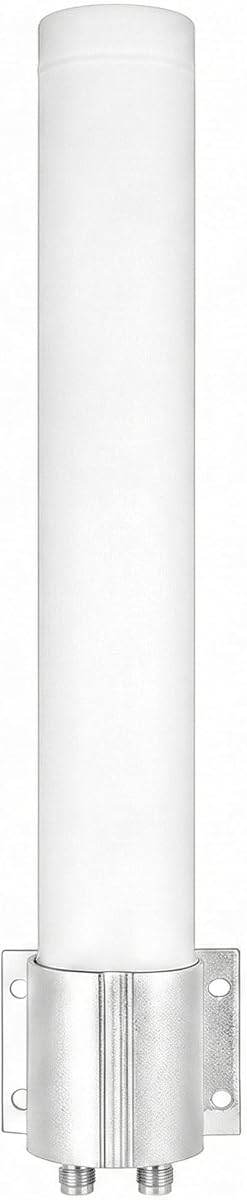
Pro-Gain 2.4G/5.8G MIMO WIFI Antenna
8dBi high gain MIMO
Enterprise-grade durability
Optimized for remote areas
This guide compares the top marine WiFi antenna options for 2026, reviewing gain, durability, and connectivity features to help you choose the right signal
Staying connected on the water requires reliable wireless infrastructure that can handle harsh salt spray and unpredictable weather conditions. A quality marine WiFi antenna extends your range significantly, allowing you to access shore-based networks from farther away while maintaining stable speeds for communication and streaming.
We evaluated ten distinct models based on their frequency support, weatherproof ratings, and compatibility with standard marine mounting systems. Each product was analyzed for its gain performance, connector types, and overall build quality to ensure it meets the rigorous demands of coastal and offshore environments.
Every selection in this list highlights specific strengths such as dual-band support or enterprise-grade durability. Keep in mind that availability and pricing can fluctuate, so checking the latest listings before purchasing is always a smart move for your specific setup needs.

5.0Editor score

4.7Editor score
The following table provides a side-by-side comparison of all ten products, highlighting their key specifications, connector types, and unique features to help you quickly identify the model that best fits your vessel and connectivity requirements.


The Poynting Omni-496 stands out as a top contender in the marine WiFi antenna space with its exceptional durability and performance. It holds a perfect rating from users who value robust build quality and reliable connectivity on the water. This antenna is specifically engineered to handle the harsh conditions found in coastal environments without compromising signal integrity.
We may earn a commission when you buy through this link, at no additional cost to you.
One of its strongest features is the dual-band capability covering 2.4 GHz and up to 7.2 GHz which allows compatibility with newer Wi-Fi 6e and 7 standards. It also supports 5G frequencies making it a versatile choice for future-proofing your marine communications setup. The N-Type connector ensures a secure connection that resists vibration and moisture intrusion common on boats.
While the price is higher than some basic options, the investment pays off in longevity and consistent performance. The IP68 rating means it can be fully submerged temporarily without damage which is rare for standard antennas. This level of protection is essential for vessels that face heavy spray and saltwater exposure regularly.
If you need a reliable antenna for extended boating trips or liveaboard scenarios, this model is highly recommended. It balances advanced technical specs with rugged physical construction. Choosing this ensures you stay connected even in challenging marine environments where other antennas might fail.
The IP68 rating allows complete resistance to dust and water, making it ideal for heavy rain or splashes.
Support for Wi-Fi 7 and 5G ensures your setup remains compatible with the latest network technologies.
We may earn a commission when you buy through this link, at no additional cost to you.
The Pro-Gain MIMO antenna is designed for demanding environments where signal strength is critical. It uses advanced MIMO technology to support multiple devices simultaneously without dropping connection. This makes it particularly useful for large vessels with several users streaming or working online at the same time.
We may earn a commission when you buy through this link, at no additional cost to you.
Its VSWR performance is exceptionally low which minimizes signal reflection and maximizes efficiency. This means more of the transmitted power reaches your device improving overall speed and reliability. The fiberglass construction is rated for extreme temperatures ensuring it won't crack or degrade in sun or cold.
While it lacks a user rating in the data, its specifications suggest high reliability for professional use. It is often paired with high-quality cables to maximize performance which is a professional best practice. The omni-directional pattern ensures you don't need to adjust it constantly as the boat moves.
This antenna is best for those who prioritize performance over cost. It excels in scenarios where standard antennas fail due to distance or interference. If you need stable 4K streaming or video calls from remote locations, this is a top-tier choice.
Dual connectivity paths increase data throughput and reduce latency for seamless video conferencing.
Operates reliably from -40F to 150F making it suitable for diverse climate zones.
We may earn a commission when you buy through this link, at no additional cost to you.
This OMNI-496 model is tailored for coastal and marine use with a focus on durability and ease of installation. It covers the essential Wi-Fi bands required for most modern routers and devices. The omni-directional pattern ensures consistent coverage regardless of the boat's orientation relative to the signal source.
We may earn a commission when you buy through this link, at no additional cost to you.
The IP68 waterproof rating is a key feature for marine applications where splashing is inevitable. It is built to resist UV degradation which prevents the material from becoming brittle over time. This longevity is crucial for equipment exposed to constant sunlight and salt spray on the open water.
Installation is straightforward with a standard marine mount feed through. However, note that the bracket is not included so you may need to purchase it separately. This flexibility allows you to match it with existing hardware on your vessel for a clean fit.
Ideal for sailors who need a reliable backup or primary antenna, this model delivers strong performance. It supports older standards as well as newer ones ensuring compatibility with a wide range of routers. For a secure and weather-resistant setup, this is a solid premium option.
360-degree signal reception ensures you stay connected even as the boat pivots in the water.
Protected against sun damage to maintain structural integrity over years of exposure.
We may earn a commission when you buy through this link, at no additional cost to you.
This 3-in-1 antenna offers a compact solution for vessels needing multiple signals in one package. It combines 4G, Wi-Fi, and GPS functions which can simplify cabling and mounting. This is especially useful for smaller boats where space is at a premium and clutter must be minimized.
We may earn a commission when you buy through this link, at no additional cost to you.
The design uses a through-hole mount which provides a secure and low-profile attachment point. The 24-inch leads are short enough to avoid tangling but long enough to reach most internal equipment. While not high gain, it serves well for extending existing signals where strong reception is already nearby.
It is rated for outdoor weatherproof conditions ensuring it can handle rain and spray without degradation. This makes it a practical choice for recreational boaters who want basic connectivity without investing in expensive gear. The simple setup requires minimal technical knowledge to install.
For budget-conscious buyers or those with limited installation space, this antenna is a great option. It solves the problem of needing multiple antennas without the bulk. If your primary need is basic internet access and GPS, this model provides a cost-effective solution.
Combines three essential signals into one unit to save space on your deck.
The puck style ensures it does not obstruct views or get caught on lines.
We may earn a commission when you buy through this link, at no additional cost to you.
The ALFA antenna delivers solid performance with a high gain that boosts signal strength effectively. Its fiberglass construction keeps it lightweight yet strong enough for outdoor use. This makes it easy to handle during installation while still being durable enough for marine environments.
We may earn a commission when you buy through this link, at no additional cost to you.
The 9 dBi gain is significant for a budget-friendly model allowing it to reach further than standard antennas. It supports both 2.4 and 5 GHz bands ensuring compatibility with most modern routers. Users can connect it directly to devices that support external antenna ports with the N-Female connector.
While it requires a coaxial cable and mount to be purchased separately, the base price remains competitive. This modularity allows you to choose cables that match your specific routing needs. It is a great choice for DIY installers who want to customize their setup without paying a premium.
For those looking for a high gain option without breaking the bank, this antenna is recommended. It provides a balance of performance and affordability suitable for recreational boats. With proper cabling, it can significantly improve your internet experience while on the water.
The 9 dBi boost extends range and improves connection stability in weak signal areas.
Lightweight and weatherproof material ensures longevity against the elements.
We may earn a commission when you buy through this link, at no additional cost to you.
The M19B MIMO antenna is engineered for heavy-duty use with a perfect user rating reflecting its reliability. It supports 4G LTE and 5G NR making it highly versatile for modern cellular and Wi-Fi networks. The ABS housing is injection molded to withstand vibration and harsh marine conditions.
We may earn a commission when you buy through this link, at no additional cost to you.
It is TAA compliant and approved for use by federal and local agencies which highlights its quality and trustworthiness. The dual leads allow for simultaneous signal reception and transmission maximizing throughput. This setup is ideal for vessels that rely on cellular data for internet access.
The antenna does not include mounting hardware so you must secure it separately. However, this allows flexibility in how you install it on your vessel to suit your layout. The N-Female connectors ensure compatibility with standard industry equipment and cables.
If you need a rugged and high-performance antenna for a vessel, this is a top choice. It combines advanced 5G capability with durable physical build. For professionals or serious boaters, the investment in this model pays off in consistent connectivity and peace of mind.
Operates on multiple bands to ensure connectivity across different service providers.
Built to meet enterprise safety and durability standards for critical applications.
We may earn a commission when you buy through this link, at no additional cost to you.
The Bingfu Dual Band WiFi antenna offers a cost-effective solution for basic marine networking needs. It comes in a two-pack which is handy for backup or redundant setups on larger boats. The RP-SMA connector is common on many routers and adapters making it easy to integrate.
We may earn a commission when you buy through this link, at no additional cost to you.
While the gain is modest at 3dBi it provides a functional upgrade over standard internal antennas. It covers both 2.4GHz and 5GHz bands ensuring you can connect to most available networks. This makes it a practical choice for extending range without a significant investment.
The main limitation is that you must check your connector type before purchasing to ensure compatibility. It is also less robust than marine-specific models so extra protection against salt spray is recommended. However for sheltered installations it performs admirably.
For those on a tight budget or needing spare antennas, this product is ideal. It simplifies setup with a plug-and-play approach. While not designed for extreme conditions, it provides reliable connectivity for casual use on calm waters.
Getting two antennas allows for redundancy or dual use on different devices.
Always verify RP-SMA Male compatibility with your router before ordering to avoid return issues.
We may earn a commission when you buy through this link, at no additional cost to you.
The LINOVISION antenna integrates 4G LTE and Wi-Fi into a single roof mount unit. This simplifies cabling for boats that rely on both cellular and shore Wi-Fi networks. The IP67 rating ensures it can withstand submersion temporarily making it durable for outdoor marine use.
We may earn a commission when you buy through this link, at no additional cost to you.
Cables are included but are relatively short at 40cm so you may need extensions for longer runs. The global frequency range allows operation in most countries which is useful for international travel. It works well with various routers like the Inhand and Teltonika series.
User ratings are mixed suggesting performance may vary by installation or location. While functional, it may not offer the same gain as specialized antennas. For those needing a simple combo solution, it remains a viable option for basic connectivity needs.
If you want to combine signals without running multiple cables, this is a practical choice. It serves well for stationary setups or slower speed vessels. Ensure your router supports the specific interface requirements before buying.
Designed to work with frequency bands across most countries for international users.
Short cables may require extension for proper router placement on larger vessels.
We may earn a commission when you buy through this link, at no additional cost to you.
This antenna delivers strong range performance with its 9dBi high gain design. It is built to withstand outdoor conditions making it suitable for mounting on a vessel exterior. With a high user rating, it is trusted by many for boosting signal strength on security cameras and routers.
We may earn a commission when you buy through this link, at no additional cost to you.
It covers 2.4 and 5GHz bands ensuring compatibility with standard routers. The design is simple and straightforward allowing for easy upgrade of existing setups. You can attach it to most wireless devices without complex configuration or additional adapters.
While it lacks specialized marine branding, its outdoor rating ensures basic weather resistance. It is a great entry-level option for those wanting to extend their network. Just ensure the mounting surface can handle the wind load of the antenna.
For those seeking high gain on a budget, this is a reliable choice. It improves connection stability significantly compared to stock antennas. With proper placement and weather sealing, it offers great value for recreational use.
The 9dBi gain extends connection distance allowing access to distant hotspots.
High user rating reflects consistent performance and ease of use for most buyers.
We may earn a commission when you buy through this link, at no additional cost to you.
The HYS VHF antenna is designed for marine communication and weather updates rather than standard Wi-Fi. It covers the full VHF band and NOAA weather channels ensuring essential safety communication. The fiberglass radome resists corrosion and keeps the signal clear in harsh conditions.
We may earn a commission when you buy through this link, at no additional cost to you.
It includes a ratchet mount that allows folding for storage or low clearance. This is a useful feature for passing under bridges or during transport. The PL259 connector is standard for marine radios ensuring it fits most fixed or mobile transceivers.
While not a Wi-Fi booster it is critical for safety on the water. If your vessel requires weather alerts and radio comms this model delivers reliable performance. The high rating reflects its quality and utility for boating safety needs.
Consider this antenna if safety communication is a priority for your trips. It is affordable and durable for daily marine use. Pairing it with other connectivity options ensures you stay safe and connected on the water.
Access to NOAA weather channels and distress frequencies is critical for maritime safety.
Ratchet mount allows easy storage when the boat is not in use.
We may earn a commission when you buy through this link, at no additional cost to you.
Choosing the right marine WiFi antenna depends on your specific connectivity needs and vessel conditions. Below are key factors to consider before making a purchase to ensure optimal performance.
Ensure the antenna supports the frequency bands your router uses such as 2.4 GHz and 5 GHz. Many modern networks require dual-band support for optimal speed and reliability.
Check that your antenna covers these ranges to avoid signal drops or incompatibility.
Match the antenna connector to your router's port such as N-Type, RP-SMA, or SMA. Mismatched connectors will require adapters which can reduce signal quality.
Verify the connector type on your equipment to ensure a direct and secure connection.
Gain measured in dBi determines how far the antenna can transmit and receive signals. Higher gain is beneficial for longer distances but may narrow the beam width.
Select a gain level appropriate for your range needs to balance coverage and directionality.
Marine environments expose antennas to saltwater and rain so look for IP ratings like IP67 or IP68. This ensures the internal components stay dry and functional.
Choose models with UV and saltwater resistance to extend the lifespan of your equipment.
Consider how the antenna attaches to your boat whether it needs a pole adapter or deck mount. Ease of installation affects how quickly you can set up your network.
Ensure you have the necessary brackets or that they are included with the antenna.
Construction materials like fiberglass or heavy-duty ABS protect against physical damage and corrosion. A sturdy build withstands wind and vibration during transit.
Opt for robust housing materials to prevent degradation over time in harsh marine conditions.
If you stream video or run many devices, choose an antenna that supports high throughput. MIMO technology can help improve data rates and stability.
Review your device load to select an antenna capable of handling multiple connections simultaneously.
The included cable should be long enough to reach your router without excessive slack or tight bends. Longer runs may require extension cables but be aware of signal loss.
Check cable specifications to ensure they match your installation distance and equipment needs.
Install the antenna on a clear elevated spot such as a mast or rail to maximize signal reception. Ensure it is securely fastened to prevent movement during rough water or wind.
Connect the coaxial cable to the antenna and router ensuring all connections are tight to avoid moisture entry. Use sealant on outdoor joints for extra protection against spray.
Inspect the antenna regularly for signs of wear or corrosion especially on metal parts. Clean gently with fresh water to remove salt deposits and ensure longevity.
Most marine WiFi networks operate on 2.4 GHz and 5 GHz bands. Choosing an antenna that supports both ensures compatibility with modern routers and provides better speed options depending on your distance from the signal source.
Yes, a waterproof antenna with at least IP67 rating is essential for marine use. It protects against rain and splashes ensuring your equipment remains functional even in bad weather.
Standard home antennas may not be durable enough for salt and moisture. Marine-specific antennas are built to withstand these conditions for better longevity and performance.
Check the router manual or look at the antenna port. Common types include N-Type, RP-SMA, and SMA. Matching these ensures a secure connection without adapters.
Higher gain increases range but can narrow the signal beam. For stationary use, higher gain is great, but for moving vessels, moderate gain might offer better overall coverage.
Some advanced models support 5G bands allowing you to use cellular data alongside Wi-Fi. Check product specs to confirm compatibility with your specific network provider.
Rinse with fresh water regularly to remove salt. Inspect cables for damage and tighten any loose connections to maintain signal integrity.
Premium models offer better durability and higher performance which can be worth it for long trips or heavy use. Budget models work well for casual day boating.
Selecting the best marine WiFi antenna involves balancing performance, durability, and specific connectivity needs. Whether you opt for a high-end option like the Poynting Omni-496 or a budget-friendly alternative, ensure it fits your router and environment.
Prioritize weather resistance and correct connector types to avoid installation issues. Investing in a reliable model ensures you stay connected safely and efficiently while on the water.
Prices and availability change so always verify current product details before purchase. With the right antenna, you can enjoy stable internet and peace of mind during your boating adventures.